
Maine Coon Cats: Traits, Colours & Lifespan Explained
What Is a Maine Coon Cat?
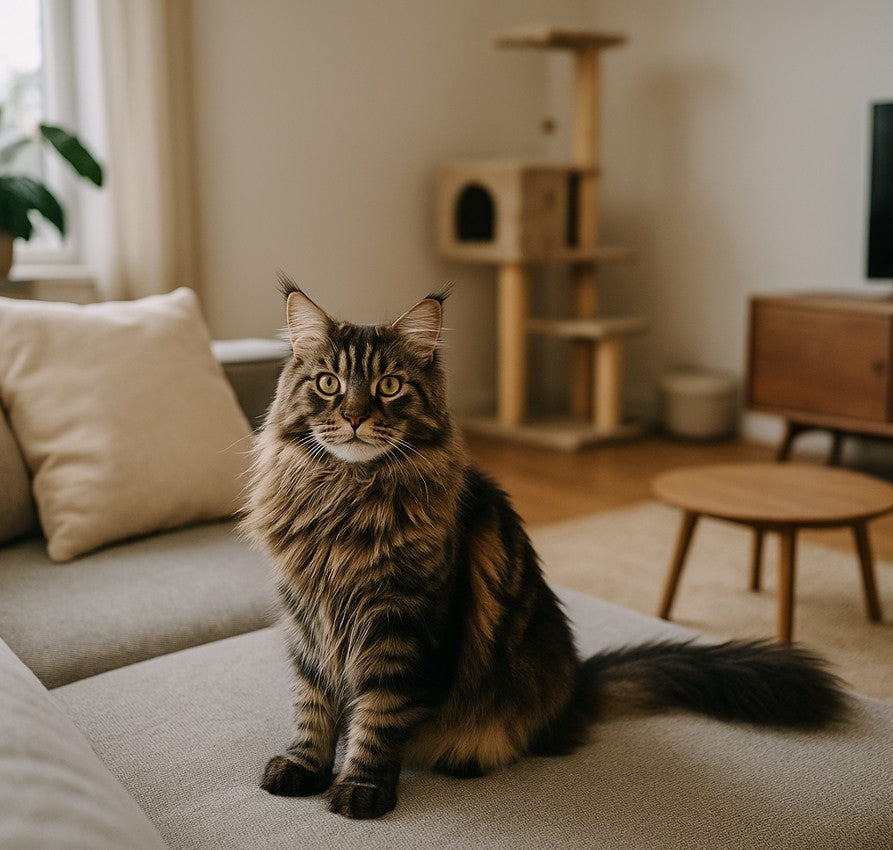
Often dubbed the “gentle giant” of the feline world, the Maine Coon cat is one of the largest and most beloved domestic cat breeds. Originating from the rugged climate of the northeastern United States, this breed has captured hearts worldwide—including here in Australia—for its striking appearance, sociable personality, and dog-like loyalty.
Despite its name, the exact origin of the Maine Coon is wrapped in a bit of mystery. While whimsical tales suggest it’s the result of a domestic cat mating with a raccoon (genetically impossible, but amusing), the more likely story is that this hardy breed developed naturally in the state of Maine. Their thick coats, tufted ears, and large paws suggest an adaptation to cold weather, much like how Australian cats might develop slightly different coats depending on the climate in regions like Victoria or Tasmania.
The Maine Coon was officially recognised as a breed in the late 1800s and remains one of the most popular cat breeds globally, prized not just for its size but for its laid-back temperament, high intelligence, and affectionate nature. In Australia, the breed has been growing in popularity for families looking for a playful yet gentle cat that gets along with children, other pets, and even dogs.
These cats are massive in size, high in personality, and low in drama—a perfect mix for pet parents who want a companion that’s interactive without being needy.
Unique Characteristics of Maine Coons
Maine Coon cats are more than just a pretty (and impressively large) face. They’re a distinctive breed with traits that set them apart from other domestic cats — both in appearance and personality. Whether you’re admiring their shaggy, lion-like mane or watching them chase water droplets like toddlers in a sprinkler, these cats are truly one of a kind.

Physical Traits That Define the Breed
1. Impressive Size
Maine Coons are famously big. Males typically weigh between 6–9kg, while females range from 4–6kg, though it’s not uncommon for some individuals—especially desexed males—to tip the scales at over 10kg. Their muscular frame, long body, and bushy tail add to their commanding presence.
2. Luxurious Coat
Their thick, semi-long fur is built for function and flair. It’s slightly oily and water-resistant, which helped early Maine Coons survive in snowy climates. They also sport a regal ruff around the neck, full pantaloons on their hind legs, and a thick tail that often curls around their body for warmth (and drama).
3. Tufted Ears & Big Paws
Their lynx-like ear tufts and wide, snowshoe-style paws help them move through colder terrain — and across slippery tiled floors in modern Australian homes! Some have extra toes (polydactylism), a quirk that was once common in the breed’s early population.
4. Piercing Eyes
Their large, slightly oval-shaped eyes come in gold, green, copper or blue hues — and always look like they’re studying your every move. Despite their wild appearance, they’re typically calm and easygoing.
Maine Coon Personality: Gentle Giants With Dog-Like Traits
One of the most endearing aspects of the Maine Coon is their personality. Despite their size, they’re softies at heart.
Affectionate But Independent
They love to be around their humans and follow you from room to room, but they’re not clingy. Expect companionship without the drama.
Dog-Like Intelligence
Many Maine Coons enjoy fetch, come when called, and can be trained to walk on a harness. Puzzle toys and treat challenges are right up their alley.
Chirpy & Chatty
They rarely meow in the traditional sense. Instead, they make soft chirps, trills, and croaky sounds—a quirky trait that owners absolutely adore.
Family Friendly
Known for their tolerance and patience, they’re excellent with kids, dogs, and other cats. Their playful nature continues well into adulthood, making them the ideal forever kitten.
How Big Do Maine Coon Cats Get?
If there’s one thing Maine Coons are famous for, it’s their sheer size. These gentle giants can dwarf most other domestic cat breeds, sometimes growing so large they’re mistaken for small dogs — especially when flopped dramatically across your lounge or curled up like a fluffy loaf on the kitchen bench.

Average Size & Weight
-
Males: 6–9kg (some reaching 10kg+)
-
Females: 4–6kg
-
Length (nose to tail): Up to 100cm
-
Height at shoulder: 25–40cm
They typically don’t reach full physical maturity until 3–5 years of age, which is significantly later than other cats. That means your Maine Coon kitten could still be growing long after they’ve left their tiny meows behind.
Why Are Maine Coons So Big?
Their size is the result of natural selection and slow genetic evolution, rather than deliberate breeding for largeness. Developed to survive harsh climates, their large frames helped conserve heat and fend off predators in the wild. Even today, their solid bones, powerful muscles, and dense coat reflect this rugged ancestry.
Record-Breaking Giants
-
Stewie, a Maine Coon from the U.S., holds the Guinness World Record for the longest domestic cat ever measured — a jaw-dropping 123cm from nose to tail.
-
In Australia, while exact records vary, it's not uncommon for desexed male Maine Coons to exceed 10kg in well-fed pet households (hello, second dinner).
While it might be tempting to overfeed to “maximise” size, keep in mind that obesity is a serious health risk, even for naturally large breeds.
Coat Colours & Patterns Explained
While their size might be the first thing that turns heads, Maine Coon cats also boast an extraordinary range of coat colours and patterns. From smoky greys and rich chocolates to fiery orange tabbies and snow-white stunners, there’s a Maine Coon for every aesthetic — and personality (at least, that’s what cat lovers claim).
These variations aren’t just beautiful — they can influence price, popularity, and grooming needs, making coat type an important consideration for future owners.

Black Maine Coon
Sleek, glossy, and a little mysterious, black Maine Coons are true showstoppers. Their long, inky fur shimmers in the light, giving them a velvet-like appearance. Some have solid black coats, while others may have ghost tabby markings that only appear in certain lighting.
Personality myth: There’s a lingering myth that black cats are aloof — but in Maine Coons, this simply isn’t true. They’re just as affectionate and sociable as their lighter-coated siblings.
Grooming tip: Their dark coats can show dandruff or dust easily, so regular brushing and skin health checks are key.
Orange (Red) Maine Coon
Also called “red” in pedigree circles, orange Maine Coons are energetic, charismatic, and bursting with personality. Most orange Coons are tabby-patterned, with stripes, swirls, or ticked fur that gives them a wild, tiger-like look.
Did you know? The orange gene is sex-linked, so most orange Maine Coons are male — making females rarer (and sometimes more expensive).
Fun fact: Many owners say their orange Maine Coons are the clowns of the household — full of mischief, vocalisations, and bold curiosity.
White Maine Coon
White Maine Coons are breathtaking — think snow leopard vibes with a royal twist. But true white Coons are genetically rare. Often, they’re masking a colour underneath due to the dominant white gene.
Watch for deafness: There’s a known link between solid white coats (especially with blue eyes) and congenital deafness. Reputable breeders screen for this and provide full health reports.
Maintenance: Their coats require more grooming to keep clean and can stain easily, especially around the eyes and paws.
Other Popular Colours & Patterns
-
Brown Tabby (Classic or Mackerel): The most iconic Maine Coon look — wild, rugged, and very lynx-like.
-
Tortoiseshell (Tortie): A blend of black, red, and cream — usually female.
-
Blue or Silver Smoke: These have pale roots and dark tips, creating a mystical fade effect.
-
Bi-Colour & Calico: White combined with any colour — charming and diverse.
-
Cream & Blue: Pastel tones that give an ethereal, soft appearance.
Note: Colour doesn’t affect temperament — but it can influence price and availability based on demand and rarity in Australia.
Maine Coon Lifespan & Health Outlook
Maine Coons are known not just for their size and charm, but also for their impressive longevity—especially when given the right care, nutrition, and regular vet check-ups. With their laid-back nature and sturdy build, they often enjoy long, healthy lives. But like all breeds, they do come with a few health quirks worth understanding.
How Long Do Maine Coon Cats Live?
The average Maine Coon lifespan is 12 to 15 years, but many live well into their late teens with proper care. Some cats have even been reported to live past 18 or 19 years, especially when kept indoors, fed a balanced diet, and given consistent veterinary attention.
Common Health Issues in Maine Coons
While generally a hardy breed, Maine Coons are genetically predisposed to a few hereditary conditions, including:
Hypertrophic Cardiomyopathy (HCM)
This is the most common heart disease in cats and can be inherited in Maine Coons. It causes the walls of the heart to thicken, which reduces its efficiency over time. Reputable breeders in Australia will screen for HCM and provide genetic testing history.
Tip: Ask your vet about annual heart checks, especially after age five.
Hip Dysplasia
Due to their large frame, Maine Coons are more prone to joint issues like hip dysplasia. This condition occurs when the hip joint doesn't form properly, leading to arthritis and discomfort.
Prevention: Keep your Maine Coon at a healthy weight and encourage low-impact play on non-slip surfaces.
Spinal Muscular Atrophy (SMA)
A genetic condition that affects the spinal cord and muscle development. It isn’t painful but does impact movement. Responsible breeding can prevent this entirely through DNA testing.
Everyday Health & Wellness Tips
To help your Maine Coon thrive for as long as possible, consider these care strategies:
-
Feed a high-protein, low-carb diet suited to large, active cats. Look for quality Australian brands or vet-recommended options.
-
Encourage daily movement with toys, climbing shelves, and interactive play.
-
Groom weekly to prevent matting (especially in armpits, belly, and tail).
-
Keep teeth clean with dental treats or vet-approved brushes.
-
Provide fresh water at all times – consider a pet fountain to encourage hydration.
-
Routine vet checks (annually, or more frequently with age) to catch issues early.
Also consider a larger cat litter box to give them enough room to dig and turn comfortably — especially since their size can make standard trays feel cramped.
How Much Do Maine Coon Kittens Cost in Australia?
If you’ve fallen in love with the Maine Coon’s majestic looks and gentle personality, you’re not alone. But before you commit to bringing one of these floofy giants into your life, it’s important to understand the financial investment involved—both upfront and ongoing.
Maine Coons are not your average moggie. They’re a pedigree breed, which means pricing reflects careful breeding practices, health screening, and ethical care. And in Australia, where demand for Maine Coons has grown in recent years, their price tag reflects that popularity.
Price Range for Maine Coon Kittens
In Australia, you can expect to pay between $2,500 and $6,000 AUD for a Maine Coon kitten from a reputable breeder. Price can vary based on:
-
Colour and rarity (e.g. white or orange females may cost more)
-
Pedigree lines (champion bloodlines increase value)
-
Breeder reputation and included health testing
-
Desexing, microchipping, and vaccinations included in the purchase
Red flag: If a kitten is advertised for under $1,500 without papers or health checks, proceed with caution. It could be from a backyard breeder or a scam.
What’s Typically Included in the Price?
A responsible breeder will usually include:
-
Microchipping
-
First round of vaccinations
-
Desexing (or desexing contract)
-
Worming and flea treatment
-
Pedigree papers (from a recognised cat association)
-
Basic health screening (often including HCM, SMA tests)
-
Starter pack (e.g. food samples, toys, blanket with litter scent)
Ongoing Costs of Owning a Maine Coon
Their large size, thick coat, and high intelligence mean their care needs can be a little more involved than the average cat. Here’s what you should budget for:
-
High-quality food: $50–$80/month
-
Litter & trays (extra-large preferred): $20–$40/month
-
Pet insurance: $20–$60/month
-
Annual vet care: $200–$400/year (not including emergencies)
-
Grooming tools & accessories: One-off or occasional expenses
-
Enrichment & toys: Essential to prevent boredom and stress
Adoption Options
Maine Coon mixes or older cats may occasionally appear in breed-specific rescues or general cat shelters across Australia. Adoption fees typically range from $150–$500, depending on the organisation.
While not always “purebred,” these cats can still have the appearance and personality traits of a Maine Coon—making adoption a fantastic, budget-friendly (and compassionate) option.
Is a Maine Coon the Right Cat for You?
Before you swoon over another fluffy photo on Instagram or lock in that kitten deposit, it’s important to ask: Is a Maine Coon the right fit for your home, lifestyle, and expectations?
While these cats are undeniably stunning, their care requirements and personalities mean they’re not the ideal pet for every household. Here’s how to tell if you and a Maine Coon are a match made in feline heaven.
What Maine Coons Need to Thrive
1. Space to Stretch
They may not need a backyard, but they do appreciate room to roam, climb, and play. A small apartment can work — but you’ll need vertical space (like cat trees and wall shelves) to keep them stimulated.
2. Daily Interaction
Maine Coons are social creatures. They don’t like being left alone for long stretches and will often follow you from room to room. They need human interaction and will expect you to talk back when they chirp.
3. Mental & Physical Enrichment
Their intelligence demands stimulation. Without toys, puzzles, and playtime, Maine Coons can become bored — and bored cats chew cords, open cupboards, and stage 2am zoomies.
4. Regular Grooming
That glorious coat doesn’t take care of itself. Weekly brushing (more during shedding seasons) is essential to prevent knots and matting, especially around the belly, tail, and armpits.
5. Budget for Ongoing Care
As covered earlier, their size and breed-specific health needs mean Maine Coons require a greater financial commitment than most short-haired cats..
To help them truly settle in, a spacious and supportive cat bed is a must — giving your Maine Coon their own dedicated spot to lounge, nap, and observe from a safe distance.”
Who Maine Coons Are Perfect For
-
Families with kids or other pets — they’re known for being patient and gentle
-
Singles or couples who want a loyal, interactive cat
-
People with experience caring for long-haired or large breed cats
-
Households that are home often or have flexible schedules
-
Anyone looking for a "dog-like" cat that loves companionship without being clingy
Who Might Struggle With a Maine Coon
-
Those seeking a low-maintenance, independent cat
-
People in tight spaces with no vertical room or enrichment options
-
Owners not ready for routine grooming or vet care budgeting
-
Families who travel often or leave their pets alone for long periods
Consider Adoption First
If you're unsure about committing to a Maine Coon kitten, check breed-specific rescues or shelters. Adult Maine Coons or Maine Coon mixes often turn up in rescue centres across Australia — and they can make just as wonderful, loving companions.
Maine Coons are more than just big, fluffy lap-cats. They’re an intelligent, affectionate, and endlessly entertaining breed with a presence that fills a home — both physically and emotionally. With their gentle temperament, dramatic good looks, and loyal companionship, it’s no wonder they’ve earned the nickname “the dogs of the cat world.”
But they’re not low-maintenance. Their size, grooming needs, and social nature mean they thrive best in homes that are prepared to offer time, space, and proper care. If you’re ready to commit, a Maine Coon will reward you with years of purrs, playful antics, and constant companionship.
Whether you’re researching before bringing home a kitten or looking to upgrade your current Maine Coon’s lifestyle, one thing’s for sure: once you fall for this breed, there’s no going back.
Leave a comment