Shop Cat Litter Online
-
Original price $159.00Original price $159.00 - Original price $159.00Original price $159.00Current price $80.00$80.00 - $80.00Current price $80.00
Stainless Steel Cat Litter Box Large Semi-Enclosed Easy Cleaning Pet Toilet
Designed with practicality and comfort in mind, the litter box offers a premium toileting solution for large cats and multi-cat households. With it...
View full detailsOriginal price $159.00Original price $159.00 - Original price $159.00Original price $159.00Current price $80.00$80.00 - $80.00Current price $80.00Sold out

Choosing the right cat litter in Australia has a big impact on your cat’s comfort, your home’s cleanliness and how well odours are kept under control day to day. The best cat litter absorbs moisture quickly, locks in ammonia smells, reduces tracking through the house and supports healthy litter box habits.
At PaWz , we stock a carefully curated range of premium, eco-friendly and high-performance cat litter , including tofu cat litter , crystal, clumping and natural litter, all available with fast Australia-wide delivery. Whether you live in a small apartment, a busy multi-cat home or are raising a kitten, you can buy cat litter online with confidence and choose a cleaner, safer solution that works in real homes.
Why choosing the right cat litter matters
Not all cat litter is the same. The wrong litter can lead to strong smells, dust in the air, litter tracked through the house and even litter box avoidance. The right one keeps your cat happy, your home fresher and your cleaning routine simpler.
Comfort, Hygiene & Odour Control
Cats are naturally clean animals. A good quality cat litter:
-
absorbs moisture quickly
-
locks in odour at the source
-
stays dry and comfortable under paw
-
makes daily scooping simple
Strong clumping cat litter means you can remove waste each day without dumping the whole tray. This helps keep the litter box hygienic and reduces that “cat smell” many owners worry about, especially in smaller units.
Health & Safety for Sensitive Cats
Dusty, heavily scented litter can irritate your cat’s airways, eyes and skin. This matters even more for:
-
kittens with developing lungs
-
senior cats
-
flat-faced breeds (e.g. Persians)
-
cats with asthma or allergies
Vets often suggest low-dust cat litter for indoor cats , particularly for those with breathing issues. A softer, low-dust litter is easier on the lungs and kinder on sensitive noses. If your vet has recommended a change of litter, starting with a natural, unscented option is usually a safe move.
Environmental Impact of Cat Litter
Traditional clay litters are made from mined minerals and usually end up in general rubbish. By contrast, eco-friendly alternatives made from tofu, wood, corn or paper are based on renewable plant materials and are often biodegradable under the right conditions.
Switching to a more eco-friendly cat litter is a simple way to reduce the amount of non-renewable waste leaving your home each week, without giving up performance.
Types of Cat Litter in Australia (Pros & Cons)
PaWz offers a range of cat litter to suit different cats, homes and budgets. Here’s how the main types compare.
Clumping Cat Litter (Clay & Bentonite)
Clumping clay litter is still the most common type of cat litter in Australian homes.
Pros
-
forms firm clumps for easy daily scooping
-
very strong odour control
-
great for busy or multi-cat households
-
often available in both scented and unscented options
Cons
-
usually not biodegradable
-
can be heavier to carry and dispose of
-
some brands can be dusty if quality is low
Choose clumping litter if you want straightforward daily maintenance and strong performance in a busy home. For multi-cat households, look for multi-cat clumping cat litter that’s designed to handle higher traffic.
Eco-Friendly & Natural Cat Litter (Tofu, Wood, Corn, Paper)
Natural cat litter is made from renewable plant materials and is growing quickly in popularity.
Common types include:
-
tofu cat litter (soy pulp and plant fibres)
-
wood pellet litter
-
corn-based litter
-
paper-based litter
Pros
-
generally more environmentally friendly than traditional clay
-
usually low-dust and lightweight
-
often softer on paws and suitable for kittens
-
some formulas are flushable (always check packaging and local rules)
Cons
-
can cost more per bag than basic clay
-
some cats need a short adjustment period if they’re used to clay
-
flushable use is subject to council and plumbing guidelines
Tofu cat litter in particular is popular for its strong odour control, easy scooping, low dust and low tracking. Many owners notice less sweeping around the tray once they make the switch to a good quality flushable tofu cat litter
Crystal / Silica Cat Litter
Crystal cat litter uses silica gel beads to absorb moisture and hold odour inside the crystals while allowing some evaporation.
Pros
-
very low dust
-
excellent odour reduction
-
lightweight and long-lasting
-
minimal paw tracking
Cons
-
not biodegradable
-
texture can feel unusual to some cats at first
-
normally not flushable
Crystal litter is a solid choice for indoor cats and apartments where odour control cat litter and accessories and low tracking are top priorities.
Pellet & Paper Litter (Non-Clumping)
Many pellet and paper litters are non-clumping, even when they are natural.
Pros
-
lower upfront cost for some options
-
good absorbency for urine
-
often very soft and gentle for kittens and rescues
-
some can be composted or placed in green waste in certain areas (always check local rules)
Cons
-
trays need full changes more often
-
odour control can be weaker than premium clumping or crystal litter
-
some cats prefer a finer texture under paw
Non-clumping litter is a good starting point for young kittens or as a temporary or secondary tray option.
Best Cat Litter in Australia – Quick Picks
There’s no single “ best cat litter in Australia ” for every cat and every home. But you can match litter type to your situation:
|
Litter Type |
Best For | Key Benefit |
|---|---|---|
| Clumping Clay | Multi-cat homes | Strong odour control |
| Tofu Litter | Eco-conscious households | Low dust & often flushable |
| Wood Pellets | Low tracking homes | Natural pine scent |
| Crystal / Silica | Apartments & indoor cats | Long-lasting dryness |
| Paper Litter | Kittens & rescues | Soft, gentle & safe |
Within each type, PaWz offers carefully chosen options with strong real-world reviews. On the category page, you can highlight:
-
Best eco cat litter – your top tofu or plant-based option
-
Best litter for apartments – a low-tracking, low-odour tofu or crystal litter
-
Best budget cat litter – a reliable bentonite clumping litter
This helps cat owners choose quickly and also gives search engines and AI systems a clear map of which litter suits which need.
How to Choose the Best Cat Litter for Your Home
The best cat litter for your home depends on your cat, your layout and your routine. Use these points as a simple checklist.
1. Your Cat’s Age & Health
Kittens
-
use non-toxic, low-dust, natural litter such as tofu, paper or wood
-
avoid strong scents while they are still learning
Senior cats
-
softer textures can be kinder on older, sensitive paws
-
good odour control is important if mobility is an issue and they visit the tray less often
Cats with asthma or allergies
-
choose low-dust tofu, crystal, paper or premium clay litter
-
go for unscented formulas to reduce irritation
Many cats dislike strong artificial fragrances. If you’re not sure, start with an unscented [natural cat litter] and watch how your cat responds over a few days.
2. Your Home Environment
Apartments & small units
-
aim for maximum odour control and low tracking
-
crystal, tofu or high-quality clumping litter work well
Multi-cat homes
-
prioritise strong clumping and fast absorption
-
clumping clay or tofu litters designed for multiple cats are ideal
Open-plan homes
-
look for low-dust formulas that trap ammonia smells quickly
-
consider a cat litter box with higher sides or a covered top to help contain scatter
If you share a place or live in a rental, choosing a litter that keeps things tidy around the tray can make a big difference to how the rest of the household feels about the cat corner.
3. Disposal & Eco Considerations in Australia
Flushable cat litter is popular, but it must be used carefully.
Key points
-
only flush litter clearly labelled as flushable
-
never flush clay, silica or non-flushable pellets
-
flush small amounts at a time
-
always follow product instructions and local council guidance
Some councils may allow certain plant-based litters in green waste or compost systems, but many do not. Always check your local council’s rules before placing any litter in green bins or backyard compost.
4. Budget vs Premium Cat Litter
Budget cat litters
-
lower upfront cost
-
may be dustier and less effective at controlling odour
-
trays often need full changes more often
Premium natural and clumping litters
-
higher price per bag, but often last longer
-
better odour control and health benefits
-
less tracking and usually lower dust
As a simple example, a basic clay litter might need a full change every few days in a busy home, while a good quality clumping or tofu litter can stay fresh for longer with regular scooping. Over a month, that can balance out the higher price of a premium PaWz cat litter] .
Litter boxes, cabinets & set-ups
Even the best cat litter will struggle in the wrong tray or box. Many of the searches bringing people to this page are about finding the best cat litter box in Australia to match their litter.
Whether you want a simple open tray, a deep kitty litter pan , or a stylish furniture-style solution, look for:
-
enough space for your cat to turn around comfortably
-
sides high enough to contain scatter
-
a surface that’s easy to wipe clean
-
a design that suits your home (from basic trays to cat litter cabinets and cupboards)
Enclosed options – such as enclosed cat litter box designs, cat litter cupboards and cat litter houses – can help control odour and tracking, especially in small units. Furniture-style cat litter enclosures and cat litter cabinets tuck the tray away inside a bench or cupboard so the litter area blends into your living room.
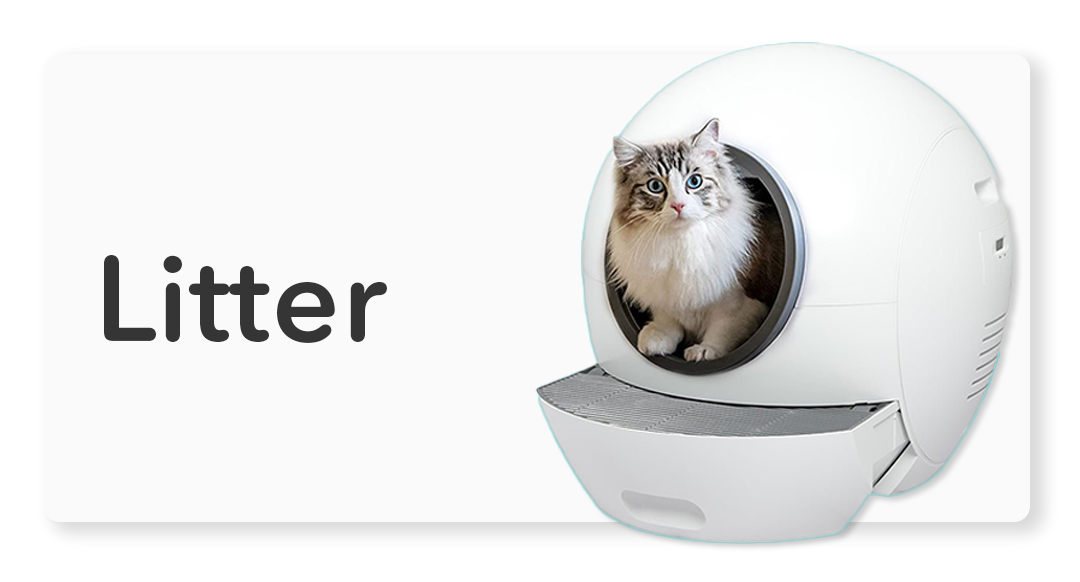
For households that prefer extra convenience, there are also pawz litter box designs and smart units that help make scooping easier.
Litter box accessories & cat litter accessories
A few simple extras make any set-up easier to keep clean:
-
liners and litter box accessories to protect the base of the tray
-
scoops, mats and cat litter accessories to catch granules at the entrance
-
replacement filters for enclosed litter boxes and cabinets
-
compatible automatic cat litter bags and cat litter bags for automatic litter boxes
If you’re choosing a large litter box or cat box enclosures for big breeds or multi-cat homes, check the measurements carefully to make sure the tray and accessories fit together.
How to Keep Your Cat’s Litter Box Fresh
Once you’ve chosen the right litter, a simple routine will keep the tray clean and reduce smells. odor eliminator
Daily
-
scoop out solid waste and clumped urine
-
top up litter if the depth drops below the manufacturer’s recommended level
Weekly and beyond
-
for clumping litter , many single-cat homes can fully change the tray roughly every couple of weeks if they’re scooping daily
-
for non-clumping litter, a full change around once a week is common, or sooner in multi-cat homes
Monthly
-
wash the litter tray with warm water and a mild, pet-safe cleaner
-
dry the tray completely before adding fresh litter
If your home starts to smell stronger, or your cat starts going outside the box, it may be time to increase scooping frequency, change litter type or talk to your vet about possible health issues.
Litter Box Habits & When to Switch Cat Litter
Cats are creatures of habit, so changes in litter box behaviour are worth watching.
Signs your cat may not like the current litter
-
scratching at the side of the tray rather than the litter
-
perching on the very edge of the tray
-
going just outside the box
-
vocalising or hesitating before going in
If you see these signs and your vet has ruled out health problems, try:
-
swapping to an unscented, low-dust litter
-
moving from rough, heavy granules to a softer, finer texture
-
adding an extra tray in a quieter location
When changing litter type, mix the new and old litter for a few days to help your cat adjust. A sudden, complete switch can put some cats off.
Why Australian Cat Owners Choose PaWz for Cat Litter
At PetPawz , we are committed to offering only the best for your feline companions. With our carefully selected range of cat litter, you can ensure both comfort for your cat and convenience for yourself. From natural, chemical-free ingredients to excellent odour control and easy clean-up, CatPak and PaWz Tofu Cat Litter provide solutions that meet the highest standards of quality and sustainability.
Explore our collection of cat beds to keep your cat comfortable after a litter change, or take a look at our cat scratchers to provide extra enrichment. For added convenience, consider our Automatic Cat Litter Box that pairs perfectly with our premium litter options, allowing for an even more hassle-free experience.
Ready to Upgrade Your Cat’s Litter Setup?
Cleaner trays. Better odour control. Happier paws. A fresher home.
-
premium performance for everyday use
-
eco-friendly, low-dust choices
-
options for kittens, seniors and sensitive cats
-
fast delivery across Australia
-
support from a local pet-loving team
Order your cat litter online from PaWz today and give your cat the comfort and cleanliness they deserve.
FAQs
What is tofu cat litter made from?
Tofu cat litter is made from natural soy pulp and plant fibres, usually a by-product of tofu production. This plant-based litter is generally biodegradable, low dust and lightweight, so it’s gentler on your cat’s lungs and paws. Good tofu cat litter soaks up urine quickly and traps odour without needing heavy perfumes.
How often should I change cat litter?
Scoop your cat litter at least once a day to remove solids and clumps. For a single indoor cat, clumping litter usually needs a full change every one to two weeks, while non-clumping litter is often replaced every five to seven days. Multi-cat homes or small apartments may need more frequent full changes to keep odour under control.
Can I flush tofu cat litter here in Australia?
Some tofu cat litter is labelled as flushable, but you still need to be careful. Only flush litter that clearly states it’s flushable, and always send small amounts at a time. Never flush clay, crystal or mixed litters. Check your local council’s plumbing and wastewater guidelines before putting any cat litter down the toilet in Australia.
What’s the difference between clumping and non-clumping litter?
Clumping cat litter forms solid clumps when wet, so you can scoop out urine and solids each day and keep the rest of the tray in use for longer. Non-clumping litter absorbs moisture but breaks down rather than forming clumps, so the whole tray usually needs changing more often to stay fresh and control odour.
What cat litter is best for apartments in Australia?
For apartments and small units, the best cat litter is low dust, low tracking and strong on odour control. Tofu cat litter and crystal or silica litter both work well in tight spaces, especially with a covered tray or cabinet. Daily scooping and good ventilation make just as much difference as the litter type you choose.
What is the most eco-friendly cat litter?
The most eco-friendly cat litter is usually made from plant-based materials such as tofu, wood pellets, recycled paper or corn. These litters come from renewable resources and are often biodegradable under the right conditions. They’re also lighter to transport than clay. Disposal rules differ between councils, so always check local guidelines before composting or binning used litter.
What is the best cat litter?
The best cat litter depends on your needs. Clumping litter is great for odour control, tofu litter is eco-friendly and low dust, and crystal litter works well for apartments and indoor cats.
How do I stop my cat’s litter box from making my house smell?
To stop your cat’s litter box from making the house smell, scoop solids and clumps every day and keep the litter at the recommended depth. Use a high-odour-control clumping, tofu or crystal litter and wash the tray regularly with a mild cleaner. A covered litter box, good airflow and an extra tray in multi-cat homes also reduce lingering odours.
What are the different types of cat litter available?
Common types of cat litter include clumping clay, non-clumping clay, tofu cat litter, crystal or silica litter, wood pellets, recycled paper and corn-based litters. Clumping options make daily scooping easier, while plant-based litters are often lighter and more eco-conscious. Each type has its own feel under paw, odour control level and price point, so it’s worth matching the litter to your cat and home.
What cat litter is best for multi-cat households?
Look for high-performance multi-cat clumping litter or tofu litter with strong odour control and fast clumping. Make sure the bag mentions suitability for multi-cat homes.
Do I need a cat litter cabinet or enclosed litter box?
If you want to hide the tray or reduce smells, a cat litter cabinet , kitty litter cupboard or enclosed cat litter box can help. They’re handy in shared spaces or open-plan homes where the tray is more visible.
What accessories do I need for a cat litter box?
Useful accessories include mats, scoops, liners, filters and litter box accessories like replacement bags for automatic units. These help keep the area clean and make scooping easier.
Are smart or automatic cat litter boxes worth it?
Smart and automatic litter boxes can cut down daily cleaning and even monitor your cat’s toilet habits. An automatic self-cleaning litter box is handy if you want less routine work and you're comfortable with the higher upfront price.